
"Dancing in the Street": A Summer Song Born at a Fire Hydrant

"Dancing in the Street" by Martha and the Vandellas is one of the most joyful songs on our setlist, and the story behind it is just as much fun.
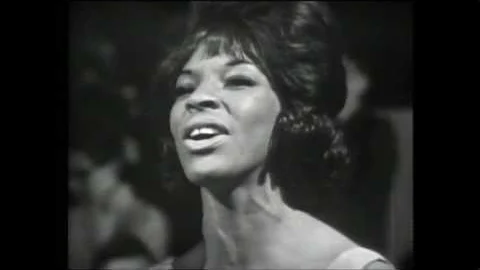
It started with kids
On a hot summer day in Detroit, songwriter Mickey Stevenson and Marvin Gaye (yes, THAT Marvin Gaye) saw kids playing in the spray of an open fire hydrant. Stevenson recalls Gaye pointing out the scene and called it “dancing in the street.” Stevenson brought that title to a song he had been writing with Ivy Jo Hunter and the three collaborated on the composition. According to Hunter, Gaye started listing cities with significant Black communities and Hunter added, “Can’t forget the Motor City.”
The singer who was tricked into her biggest hit
The song was originally meant for another Motown singer, Kim Weston (Stevenson’s wife). Martha Reeves sang it as a demo, and she wasn't sure about it at first. So the producers told her the tape hadn't been rolling and asked her to sing it one more time. That take became the record! Martha didn't find out the truth until decades later.
Steady bass
The great Motown bassist James Jamerson plays on the track and noted, “That was the most fun I ever had playing one note.”
Party song or protest song?
In the 1960s some people heard the song as a call to come together in the streets for civil rights. Later, Joan Baez included it a touring setlist that included Civil Rights anthems like “Ain’t Gonna Let Nobody Turn Me ‘Round” and “Oh Happy Day.”
In the wake of the 1967 riots in Detroit and other American cities, some people interpreted the song as revolutionary — including members of the Weather Underground like Mark Rudd: “We thought ‘Dancing in the Street’ was coding for rioting, which at the time we thought of as an act of liberation.”
Martha Reeves always had a simpler answer: "My Lord, it was a party song."
Covers
Today it's in the Library of Congress National Recording Registry, and it's been sung by everyone from the Mamas & the Papas to co-writer Ivy Jo Hunter to The Carpenters (check out Karen’s drum solo at the end) to Little Richard to Laura Nyro (a white woman backed by the Black R&B group Labelle on a recording that blends the song with Curtis Mayfield’s “Monkey Time”) to Michael Bolton, to the Grateful Dead (yikes) to Neil Diamond to Van Halen.
For the 1985 Live Aid concerts in London and Philadelphia Bob Geldof, the concert organizer, asked David Bowie and Mick Jagger to perform a duet live from two continents. However, as we know from the pandemic and Zoom NFS, even a little bit of lag time in transmission makes it very hard to sing together. They brainstormed ways to reduce the lag time and Geldof claims he asked NASA about their launch schedule and whether they would be willing to take Mick Jagger on a space shuttle mission to sing from orbit. Ultimately, Jagger just flew to London and the pair recorded the song in either one or two takes, depending on who’s telling the story. That night, they recorded a video for the song in a warehouse district that later hosted the 2012 Olympics. All profits went to charity.
(After refreshing your memory of the janky Bowie-Jagger video [why does Mick take a break to drink a soda?], you may be amused to see that it has been treated to a “no music” comic re-edit.)
You only have to watch a few of these cover versions to realize that nothing beats the original arrangement and recorded performance. Peter Yarrow of Peter Paul and Mary said of Martha and the Vandellas’ record:
“It was played with such joy and you could hear that they liked and admired each other. It felt like they really cared about each other.”
Steve Jordan, a drummer who has played with everyone from Sonny Rollins, The Stones, Springsteen, and James Taylor said:
“You have to choose your covers. Some songs, the recording is so strong, you are just setting yourself up for disaster. With this one, the original will never be topped.”
Dancing on the stage
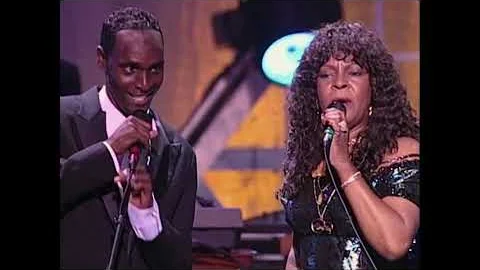
NFS choreography question. Should we dance like Fred and Kate of the B-52s and Natalie Merchant…
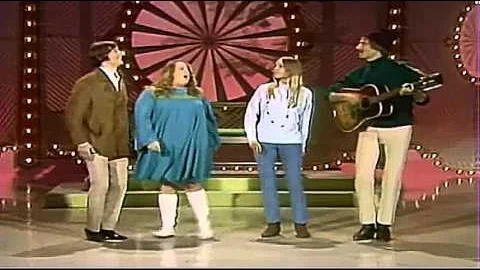
…or like Mama Cass?
Source material: Quotations and other stories are from Mark Kurlansky’s Ready for a Brand New Beat: How “Dancing in the Street” Became the Anthem for a Changing America (2013).